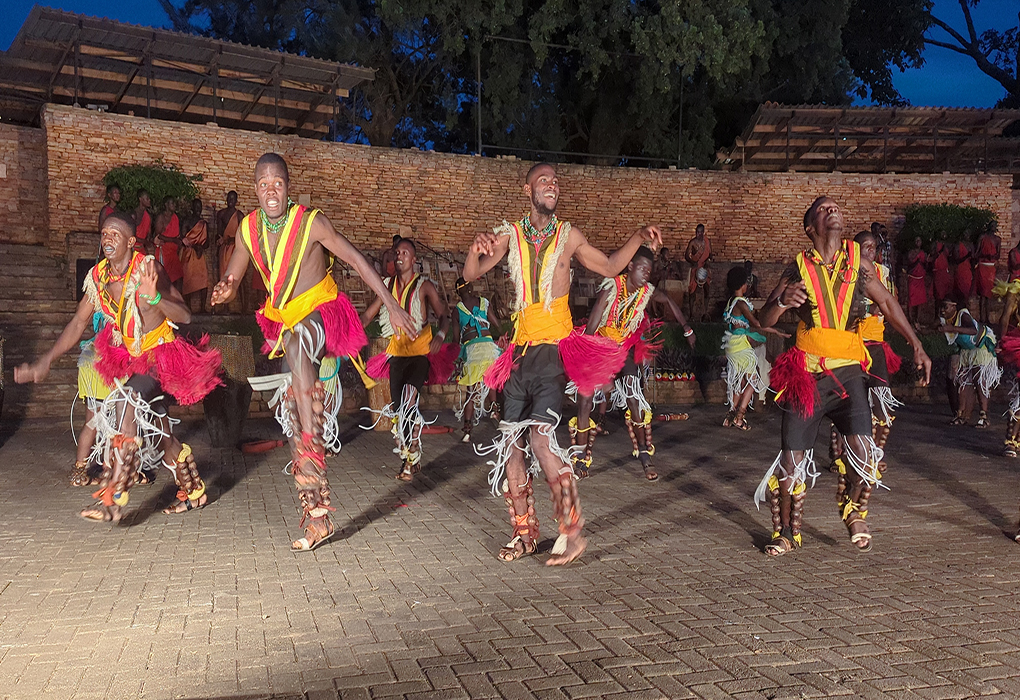

When people first begin researching Uganda, the conversation often starts with gorillas, chimpanzees, lions, elephants, savannahs and the Nile. Those are extraordinary reasons to visit, but they reveal only part of the country. Uganda is home to a remarkable variety of communities, languages, kingdoms, artistic traditions, music styles, foods, ceremonies and historic places. The Uganda Tourism Board itself presents cultural heritage tours as an important part of the country’s tourism offering, highlighting traditional kingdoms, historical sites, culinary experiences and community encounters.
The most rewarding Ugandan cultural experiences are not simply about watching people perform for visitors. The better experiences give travelers an opportunity to understand the meaning behind what they see. A drum is not just a drum. A dance may carry a story about identity, courtship, celebration or history. A piece of bark cloth is not simply a souvenir. A traditional name can communicate belonging and respect. A herd of long-horned Ankole cattle can represent generations of pastoral knowledge. Food can reveal geography, agriculture and family traditions all at once.
That is why cultural travel in Uganda works especially well when it is combined with a wildlife safari. A traveler can spend the morning watching elephants on the savannah and the afternoon sitting with a community member listening to stories about everyday life. You can wake up near Bwindi, learn about forest heritage, continue toward Queen Elizabeth National Park, then travel into western Uganda and discover Tooro traditions. In another itinerary, you can combine Kampala’s royal history with Busoga culture in the east or continue north toward Karamoja and experience a very different cultural landscape.
This guide explores ten Ugandan cultural experiences that can add meaning, warmth and human connection to a Uganda safari. Some are historical, some are musical, some are culinary and some are community based. Together, they demonstrate why Uganda’s culture deserves to be part of the journey rather than something added only when there is extra time.
| Cultural experience | Where to consider it | What travelers can discover | Best combined with |
|---|---|---|---|
| Buganda royal heritage | Kampala | Royal history, architecture, traditions and spirituality | Kampala city tour and central Uganda |
| Bark cloth making | Buganda and central Uganda | Traditional craftsmanship and textile heritage | Kasubi and Kampala |
| Traditional music and dance | Kampala and cultural centres | Dance, drums, instruments and storytelling | City stay or safari start/end |
| Karamojong community visit | Karamoja | Pastoral life, homesteads, traditions and crafts | Kidepo Valley National Park |
| Batwa cultural heritage | Southwestern Uganda | Forest knowledge, history, stories and community traditions | Bwindi or Mgahinga |
| Empaako heritage | Tooro and western Uganda | Naming traditions, identity and social relationships | Fort Portal, Kibale and Queen Elizabeth |
| Bigwala music | Busoga | Gourd trumpets, music, dance and royal heritage | Jinja and eastern Uganda |
| Ankole cattle culture | Ankole region | Pastoral heritage, cattle knowledge and rural life | Lake Mburo and western Uganda |
| Traditional Ugandan food | Across Uganda | Cooking, ingredients, markets and family food traditions | Almost any safari route |
| Nyero rock art | Kumi, eastern Uganda | Ancient rock paintings and archaeological heritage | Eastern Uganda exploration |
1. Explore the Kasubi Tombs and Buganda Royal Heritage

For travelers beginning their Uganda journey in Kampala, few cultural visits provide a better introduction to the country’s history than the Kasubi Tombs. Located on Kasubi Hill, the site is associated with the kings, or Kabakas, of Buganda and remains an important centre of Baganda cultural and spiritual life. UNESCO recognizes the Tombs of Buganda Kings at Kasubi as a World Heritage Site and describes the property as a major spiritual centre for the Baganda, with cultural traditions, beliefs, identity and architectural craftsmanship forming an important part of its significance.
Walking into the site is different from entering an ordinary museum. The traditional architecture, courtyards, thatched structures and historical atmosphere create a sense of continuity between the past and the present. Visitors can learn about the Buganda Kingdom, the role of the Kabaka, royal traditions and the importance of the site to the Baganda community. A knowledgeable local guide can make the visit much more meaningful because many details are easier to appreciate when their cultural context is explained.
One of the most interesting aspects of the Kasubi experience is the way architecture and culture meet. Traditional materials such as wood, reeds, grass, wattle and daub are part of the architectural language of the site. The arrangement of buildings and courtyards also reflects the organization of a traditional Baganda palace complex. This makes the experience valuable even for travelers who normally do not consider themselves interested in history or architecture.
For a traveler, the best approach is to slow down. Ask questions about the royal institution, traditional construction, ceremonies, symbols and the site’s continuing significance. Photography should always follow the site’s rules, particularly because this is a living cultural and spiritual place rather than simply an archaeological attraction. Among the many Ugandan cultural experiences available around Kampala, Kasubi offers one of the clearest introductions to the country’s traditional kingdoms.
2. Learn the Art of Ugandan Bark Cloth Making

One of the most fascinating Ugandan cultural experiences is learning how bark cloth is made. The craft is associated particularly with the Baganda people of the Buganda Kingdom and has a long history in southern Uganda. UNESCO inscribed barkcloth making in Uganda on the Representative List of the Intangible Cultural Heritage of Humanity in 2008. The traditional process involves harvesting the inner bark of the Mutuba tree, scientifically known as Ficus natalensis, and transforming it through soaking, preparation and repeated beating with wooden mallets.
Watching a skilled craftsperson work is surprisingly hypnotic. The rhythmic sound of the wooden mallet hitting the bark becomes part of the experience. What appears at first to be a simple piece of natural material gradually becomes soft, flexible cloth. Traditionally, bark cloth has been connected with ceremonies, cultural gatherings, funerals, royal traditions and other important occasions. Its significance therefore goes beyond its physical appearance.
A good cultural visit should allow you to ask about the Mutuba tree, how bark is harvested, how the tree can continue growing and how the craft has been passed between generations. It is also worth asking how contemporary artisans are finding new uses for bark cloth. Modern designers and craftspeople can adapt the material into decorative pieces, fashion items, bags, wall art and other products while retaining links to its traditional identity.
For travelers who enjoy buying meaningful souvenirs, bark cloth can be far more interesting than a generic tourist item. The best souvenir is one that comes with a story, and bark cloth carries several: the tree, the craftsperson, the technique, the community and the cultural history behind it. Purchasing directly from a community artisan or responsible craft outlet can also help keep traditional skills economically relevant.
3. Experience Traditional Music, Dance and Storytelling

Music and dance can be among the most joyful Ugandan cultural experiences for a first-time visitor. Uganda does not have one single traditional dance style. Different communities have developed distinctive rhythms, instruments, costumes, movements and forms of storytelling. A cultural performance can therefore become a colorful introduction to the country’s extraordinary diversity.
In Kampala, a cultural performance can be an easy addition to a safari itinerary because it does not require a long journey outside the capital. At cultural centres and community performances, travelers may encounter several regional styles in one evening. The performance may include drums, stringed instruments, wind instruments, singing, dance and storytelling. Rather than simply watching from a distance, travelers can ask their hosts what the movements represent and how the music is connected with ceremonies, celebrations or community life.
Traditional performance is particularly valuable for families and younger travelers because it turns cultural education into something lively. Instead of reading several pages about a community, visitors can hear the rhythm, see the movement and speak with performers. Even when the visitor does not understand the language being sung, the energy of the performance often communicates something universal.
One important point is to treat cultural performances as living art rather than entertainment detached from meaning. Ask before taking close-up photographs, respect performers’ instructions and, when possible, support the cultural institution or community directly. These small actions can make a visitor’s relationship with a cultural experience more respectful and more rewarding.
4. Visit a Karamojong Community and Manyatta

For travelers looking for a cultural experience that feels dramatically different from Kampala and the more frequently visited western safari circuit, Karamoja in northeastern Uganda offers a remarkable journey. The region is strongly associated with pastoral traditions and the Karamojong people. Its broad landscapes, distinctive homesteads, livestock culture, clothing, beadwork and community traditions create a cultural setting unlike almost anywhere else in Uganda.
A community visit can provide an opportunity to learn about everyday life rather than simply looking at photographs. Depending on the community and arrangement, visitors may learn about livestock keeping, traditional homesteads, food preparation, crafts, songs, dance and stories. The experience becomes much richer when the community members themselves explain their traditions instead of having a visitor rely entirely on outside descriptions.
The word manyatta is often used for traditional Karamojong settlements or homesteads. The structures and organization of a settlement reveal how community life has traditionally been shaped around family, livestock and the surrounding environment. For travelers visiting Kidepo Valley National Park, adding cultural time in Karamoja can transform a wildlife-focused trip into a broader exploration of the region.
Responsible tourism is particularly important here. Travelers should avoid treating people as photographic subjects without permission. Ask before photographing individuals, homes, ceremonies or children. A community visit should be based on mutual respect and clear arrangements regarding guides, performances, crafts and payments. Done properly, Karamojong cultural tourism can give visitors a deeper understanding of northeastern Uganda while supporting locally led experiences.
5. Learn About Batwa Forest Heritage
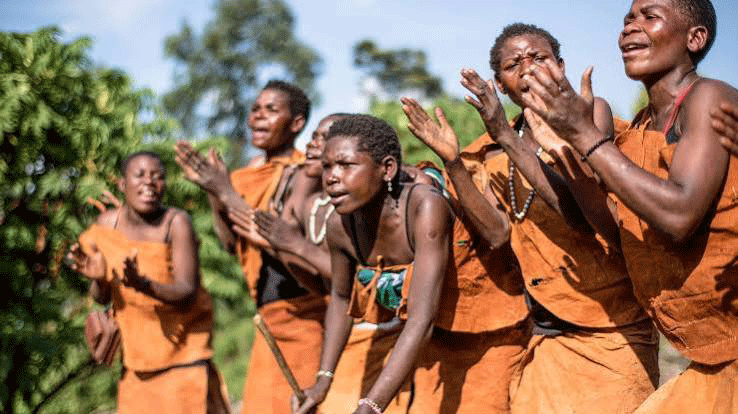
Near the forests of southwestern Uganda, travelers can encounter cultural experiences connected with Batwa heritage. The Batwa have a long history associated with the forests of the Great Lakes region, and cultural experiences in southwestern Uganda can introduce visitors to traditional forest knowledge, stories, songs, crafts and aspects of community history.
This is an experience that deserves a particularly thoughtful approach. Visitors should remember that they are learning about real people and a living community, not entering a human museum. The most meaningful experience is one where community members have control over what is shared, how it is presented and how visitors participate. A guide from the community can explain which stories, practices and demonstrations are appropriate for visitors and why they matter.
For travelers combining culture with primate tourism, this experience can fit naturally around a Bwindi or Mgahinga itinerary. The forest environment itself becomes part of the story. Instead of seeing the forest only as habitat for gorillas, travelers can learn about how people historically understood plants, animals, paths, shelter, food and the natural environment.
The experience also creates space for an important conversation about change. Communities do not remain frozen in the past. Their lives continue to evolve, and responsible tourism should reflect contemporary realities as well as historical knowledge. Travelers who approach Batwa cultural experiences with curiosity and respect often leave with a more nuanced understanding of the relationship between people, forests and conservation.
6. Discover Tooro Culture and the Meaning of Empaako

Western Uganda offers some of the most interesting cultural experiences in Uganda, particularly around Fort Portal and the wider Tooro region. One tradition that provides a fascinating window into identity and relationships is Empaako. UNESCO describes Empaako as a naming system practiced among the Batooro, Banyoro, Batuku, Batagwenda and Banyabindi communities of western Uganda.
Empaako involves the use of one of twelve traditional names in addition to a person’s given and family names. Using an Empaako name can communicate affection, respect, honour, greeting and social connection. The tradition is therefore much more than a list of names; it is connected with relationships and community identity.
Travelers should not expect to walk into a private naming ceremony simply because they are tourists. Ceremonies belong to the communities that practice them and should only be witnessed when appropriate permission and arrangements exist. However, cultural guides and community organizations can explain the tradition and its meaning, allowing visitors to understand why names can carry such emotional and social importance.
Tooro cultural experiences can also be combined with visits around Fort Portal, Kibale and Queen Elizabeth National Park. This creates a particularly attractive route for travelers who want to combine primates, crater landscapes, lakes, wildlife and culture without treating each activity as a separate trip. The result is a journey in which landscape and people begin to make sense together.
7. Listen to Busoga Bigwala Music and Dance
Eastern Uganda has its own extraordinary cultural traditions, and Busoga offers travelers the chance to learn about Bigwala music and dance. UNESCO lists Bigwala, the gourd trumpet music and dance of the Busoga Kingdom, on the List of Intangible Cultural Heritage in Need of Urgent Safeguarding. The tradition involves a group of gourd trumpets producing a melody through interlocking parts, accompanied by a specific dance.
For a traveler, the fascinating part is hearing how natural materials become musical instruments and how several players work together to create a sound greater than any individual instrument. This is one of the best cultural experiences in Uganda for visitors interested in traditional music because the instrument itself immediately raises questions: How is it made? Why are gourds used? How is the melody organized? Who teaches the players?
Busoga culture can fit naturally into itineraries around Jinja and the Nile. A traveler might spend time exploring the river, visiting nearby communities and then learning about traditional music and dance. The combination creates a more complete picture of eastern Uganda, where natural landscapes and cultural heritage are closely connected.
When arranging a Bigwala-related experience, it is important to use a community or cultural organization that actively works with tradition bearers. UNESCO’s safeguarding status also reminds visitors that some cultural practices need support to continue. Paying for a legitimate cultural experience, purchasing locally made crafts and listening respectfully can all contribute to the economic value of keeping cultural knowledge alive.
8. Discover Ankole Cattle and Pastoral Heritage

For many travelers, Ankole cattle are among the most visually striking symbols of southwestern Uganda. Their large, sweeping horns immediately attract attention, but the deeper cultural story is even more interesting. In pastoral communities, cattle can carry economic, social and cultural importance, and knowledge about individual animals, colours, horn shapes and herd management can be passed through generations.
An introduction to Ankole cattle culture can be included in a western Uganda itinerary, particularly around the Ankole region and routes toward Lake Mburo. Rather than simply stopping for a photograph, travelers can learn how cattle are cared for, why the animals matter and how pastoral traditions have adapted to modern life.
A responsible cultural visit should allow community members to describe their own relationship with cattle. Visitors may learn about grazing, milking, traditional knowledge, cattle names and the importance of livestock within households and communities. The experience becomes particularly memorable when it is connected with the surrounding landscape because travelers begin to understand why particular ways of living developed in particular environments.
For photographers, the cattle are naturally attractive subjects, but permission remains important when people are involved. Photographing an animal is different from photographing a person or a homestead. A simple question before taking portraits or documenting daily activities can make the interaction more respectful.
9. Taste and Learn to Prepare Traditional Ugandan Food

Some of the most intimate Ugandan cultural experiences happen around a cooking fire or dining table. Food is one of the easiest ways for travelers to connect with everyday life because it crosses social boundaries. A meal can introduce visitors to local agriculture, family traditions, seasonal ingredients, cooking methods and regional differences without requiring a formal cultural performance.
Matooke, often called matoke, is one of Uganda’s best-known staple foods and can be prepared in several ways. Other familiar foods and dishes may include groundnut sauces, beans, vegetables, cassava, sweet potatoes, millet-based foods, chapati and meat dishes such as luwombo. Recipes and preparation methods differ between households and regions, which is precisely what makes a cooking experience interesting.
Instead of only eating a finished meal at a hotel, travelers can arrange a cooking experience where local hosts explain how ingredients are selected, washed, peeled, chopped, wrapped, steamed or cooked. Preparing food together can create a relaxed environment where questions arise naturally. Travelers often discover that the most memorable part is not the final plate but the conversation that happens while everyone is preparing it.
Markets can also be part of the experience. Visiting a local market with a guide can reveal the ingredients behind dishes that visitors later encounter at lodges and restaurants. Bananas, fruits, vegetables, grains, spices and other foods suddenly become more than colourful objects on a market stall; they become part of the story of how Ugandan families eat.

10. Explore the Ancient Rock Art of Nyero

Not all Ugandan cultural experiences need to involve a living performance or community workshop. Some take travelers much further back in time. The Nyero rock art sites in eastern Uganda offer an extraordinary opportunity to think about the people who lived in the region long before modern tourism, roads and cities existed.
The rock paintings are associated with granite outcrops around Kumi District. UNESCO’s World Heritage documentation describes Nyero and related geometric rock art sites as a cultural landscape associated with ancient rock-painting traditions. The exact identity of the original painters remains a subject of archaeological research, which makes the experience particularly intriguing.
Standing beneath the rock shelters and looking closely at the painted forms creates a very different feeling from visiting a modern museum. The landscape is part of the attraction. The rocks, vegetation, shelter and paintings exist together, allowing visitors to imagine how earlier communities may have interacted with the environment.
A knowledgeable local guide is especially valuable at Nyero because archaeological sites require context. Travelers should avoid touching the paintings, writing on rock surfaces or disturbing the surroundings. The experience is strongest when visitors approach the site as a place of heritage rather than simply as a photo stop.
For travelers exploring eastern Uganda, Nyero can become one of the most thought-provoking cultural stops on the itinerary. It adds a long historical dimension to a region already rich in living traditions, music, agriculture and community life.
Where to Find These Ugandan Cultural Experiences
Uganda’s cultural attractions are spread across the country, so the best itinerary depends on which experiences interest you most. Central Uganda is particularly convenient for travelers starting in Kampala, while western Uganda works well with gorilla, chimpanzee and savannah itineraries. Karamoja is a destination in its own right and is naturally paired with Kidepo Valley National Park. Eastern Uganda can be incorporated into journeys around Jinja, Busoga and the wider eastern cultural landscape.
Interactive map of Uganda. Use it as a broad geographic reference when planning cultural stops.
Central and western Uganda provide several practical combinations of cultural, wildlife and primate experiences.
How to Plan Ugandan Cultural Experiences Into a Safari
The easiest way to include Ugandan cultural experiences in a safari is to think about geography rather than trying to visit everything. If your trip begins in Kampala, you can introduce culture immediately through Buganda heritage, Kasubi, traditional performance and food. From there, an itinerary can move west toward Fort Portal and Kibale, where Tooro culture can complement chimpanzee experiences. Continuing toward Queen Elizabeth, Bwindi or Lake Mburo creates opportunities for additional community experiences and pastoral heritage.
If your safari focuses on Kidepo Valley National Park, Karamoja offers an especially natural cultural extension. Rather than driving into the region, seeing wildlife and immediately leaving, travelers can allow extra time to meet community members and understand the cultural landscape surrounding the park. This is particularly rewarding because Kidepo’s scenery, wildlife and human culture are all part of the identity of northeastern Uganda.
Eastern Uganda provides another route. A traveler visiting Jinja and the Nile can add Busoga cultural experiences, while those interested in deeper history can consider eastern archaeological heritage such as Nyero. The eastern route can be especially attractive for travelers who want something beyond the classic gorilla-and-savannah itinerary.
The most important planning principle is to avoid treating culture as a checklist. One meaningful community conversation can be more memorable than five rushed cultural stops. Give yourself enough time to listen, ask questions and participate where appropriate. The strongest Ugandan cultural experiences often happen in the unscripted moments: learning a word in a local language, hearing why a particular song is important, watching a craftsperson work, sharing food or listening to a story about family and place.
What Travelers Should Know Before a Cultural Experience
Uganda is culturally diverse, and customs can vary considerably from one community to another. A greeting that feels normal in one place may have a different meaning somewhere else. Dress expectations can also vary, particularly around religious, royal or spiritual sites. When visiting a cultural or sacred location, modest clothing and respectful behaviour are generally appropriate.
It is also worth remembering that not every ceremony is a tourist attraction. Some traditions are private, sacred or reserved for community members. A professional guide should help explain what visitors can and cannot participate in. If a community says that photography is not permitted, the answer should simply be respected. Cultural tourism works best when the visitor’s curiosity does not override the community’s dignity or boundaries.
Language can make the experience even more enjoyable. Learning a few greetings from your guide or host can immediately make interactions warmer. You do not need to become fluent. Even a simple attempt at a local greeting can show that you are interested in meeting people rather than merely photographing them.
Finally, keep an open mind. Some of the most valuable cultural experiences may not look spectacular in photographs. Sitting under a tree listening to an elder explain a tradition may not produce the dramatic image of a lion on the savannah, but it can become one of the stories you remember longest after returning home.
Why Cultural Experiences Make a Uganda Safari More Meaningful

A wildlife safari shows you what lives in Uganda’s forests, wetlands and savannahs. Cultural travel helps explain the human landscape around those places. It gives travelers an opportunity to understand how communities use natural resources, celebrate important occasions, preserve memories, prepare food, make crafts, raise livestock and pass knowledge from one generation to the next.
This is particularly important because Uganda’s identity cannot be reduced to one community, one kingdom or one tradition. The country contains numerous cultural groups and historical traditions, and each region adds another layer to the national story. The Uganda Tourism Board describes Uganda as having more than 56 tribes alongside traditional kingdoms, historical sites, culinary experiences and community experiences. That diversity is one of the reasons a return visit can feel completely different from the first.
The best Ugandan cultural experiences also create a bridge between the traveler and the destination. Instead of simply moving from park gate to park gate, travelers start to recognize the people, foods, music and stories along the road. A journey through Uganda becomes less about collecting attractions and more about understanding a place.
Best Cultural Experiences in Uganda for Different Travelers
| If you enjoy… | Consider… | Why it may interest you |
|---|---|---|
| History and architecture | Kasubi Tombs and Nyero | Royal heritage, archaeology and historic landscapes |
| Photography | Traditional dance and Karamoja | Costumes, movement, landscapes and community settings |
| Food | Traditional cooking and local markets | Ingredients, recipes and everyday life |
| Crafts | Bark cloth making | Traditional materials and skilled craftsmanship |
| Music | Traditional dance and Bigwala | Drums, gourd trumpets, songs and movement |
| Community tourism | Karamojong or Batwa experiences | Direct learning from community members |
| Royal traditions | Buganda and Tooro heritage | Kingdom history, identity and cultural institutions |
| Wildlife plus culture | Karamoja, western Uganda or southwestern Uganda | Culture can be combined naturally with safari activities |
Frequently Asked Questions About Ugandan Cultural Experiences
What are the best Ugandan cultural experiences for first-time visitors?
For first-time visitors, a combination of Buganda heritage, traditional music and dance, local food and one community-based experience provides a broad introduction. Kasubi, bark cloth, cultural performances and traditional cooking are particularly convenient for travelers beginning in Kampala.
Can I combine cultural experiences with a Uganda wildlife safari?
Yes. Cultural tourism can be incorporated into many safari routes. Karamoja works naturally with Kidepo Valley, Tooro culture with western Uganda, Batwa heritage with southwestern forest destinations and Ankole pastoral experiences with routes around the Ankole region and Lake Mburo.
Are Ugandan cultural experiences suitable for families?
Many are. Children can particularly enjoy traditional music, dance, food preparation, craft demonstrations and community storytelling. The suitability of a particular activity depends on the location, walking involved and the nature of the cultural program.
Can travelers take photographs during cultural experiences?
Photography is often possible, but permission should always be requested first. Some sacred locations, ceremonies and private activities may have restrictions. Your guide or community host should explain the appropriate rules.
What should I wear for a cultural tour in Uganda?
Comfortable, modest clothing is a sensible choice. For visits to religious, royal or sacred locations, more conservative clothing may be appropriate. Closed shoes are useful for community walks and outdoor activities.
Is cultural tourism available outside Kampala?
Yes. Some of the most distinctive cultural experiences are outside Kampala, including Karamoja in northeastern Uganda, Tooro heritage in western Uganda, Busoga traditions in eastern Uganda, Ankole pastoral heritage in southwestern Uganda and Nyero rock art in eastern Uganda.
What makes responsible cultural tourism important?
Responsible cultural tourism helps ensure that communities are respected and that local people benefit from tourism. Visitors should pay agreed fees, support legitimate community initiatives, ask permission before taking photographs and avoid treating cultural traditions as performances that exist solely for tourists.
Can I experience traditional Ugandan food on safari?
Yes. Many lodges serve Ugandan dishes, while a dedicated cooking or community experience can provide a deeper understanding of local food. Travelers can learn about ingredients such as matooke, groundnuts, beans, vegetables, millet and other locally important foods.
Which cultural experience is easiest to add to a Kampala itinerary?
Buganda heritage, Kasubi and traditional music and dance are among the easiest options because they can be arranged around time spent in Kampala. Bark cloth experiences can also fit naturally into a central Uganda cultural itinerary.
Are cultural experiences available as private tours?
Many cultural visits can be incorporated into private Uganda safari itineraries. The exact arrangement depends on the community, location, activity and availability of local guides or cultural organizations.
Final Thoughts: Experience Uganda Through Its People
The beauty of Uganda is that its culture does not sit separately from the landscape. It lives in the music heard after sunset, the food served around a family table, the stories told by elders, the craftsmanship of a bark cloth maker, the rhythm of a traditional dance, the care given to cattle and the names used to express friendship and identity.
That is why Ugandan cultural experiences deserve a place beside gorilla trekking, chimpanzee tracking and classic game drives. They give travelers something wildlife alone cannot provide: a deeper understanding of the people and traditions connected to the places they are visiting.
Whether you spend an afternoon learning about Buganda royalty in Kampala, listen to Bigwala in Busoga, share food with a local host, discover the traditions of Tooro, meet a community in Karamoja, learn about Batwa forest heritage or stand quietly beneath the ancient rocks of Nyero, you are seeing another side of Uganda.
And perhaps that is the greatest reason to include Ugandan cultural experiences in your itinerary. Long after the safari vehicle has left the savannah and the last photograph has been taken, it is often the human moments that remain: the smile from a host, the sound of a drum, the taste of a meal prepared together, a story told beneath a tree or a new understanding of a tradition you had never encountered before.
Uganda is not simply a country to see. It is a country to listen to, taste, explore and experience.
Ready to Experience Uganda Beyond Wildlife?
Let PrideMark Safaris help you combine wildlife, primates, landscapes and authentic cultural experiences into one memorable Uganda journey.