Tourists’ Guide to Uganda’s Famous Foods and the Iconic Rolex

Ugandan Cultural Experiences: 10 Amazing Things to Try
September 23, 2026
Why Do Lions Roar? 9 Powerful Secrets to Know on Safari
September 23, 2026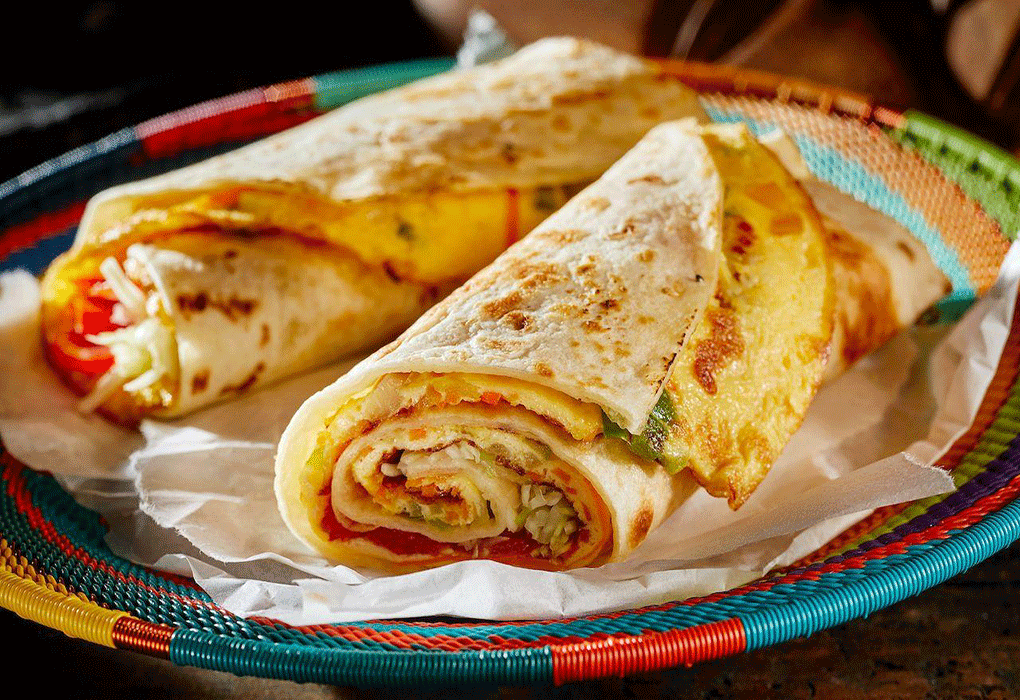
Ugandan Food for Tourists! A safari in Uganda is rarely remembered only for the animals. Long after the excitement of seeing elephants in Murchison Falls, chimpanzees in Kibale or gorillas in Bwindi, travelers often remember something much simpler: the food they tasted along the way. Ugandan famous foods are an important part of the country’s culture, hospitality and everyday life. From a steaming plate of matooke and groundnut sauce to a freshly prepared Rolex eaten beside a busy Kampala road, Ugandan cuisine gives visitors another way to experience the country.
Uganda’s cuisine is wonderfully varied because the country is home to many communities, agricultural traditions and regional food cultures. The Uganda Tourism Board itself highlights culinary experiences as part of Uganda’s cultural tourism offering and has featured dishes including luwombo, matooke, groundnut sauce, millet bread, katogo, posho, beans, silverfish and lake fish.
For a traveler, this means that eating in Uganda can become part of the adventure. You do not necessarily need an expensive restaurant or an elaborate hotel buffet. Sometimes the most memorable meal is a simple local breakfast, a roadside snack or a dish prepared traditionally in banana leaves.


Why Food Should Be Part of Your Uganda Safari
Uganda is often introduced to international travelers through its wildlife, forests, mountains, lakes and rivers. Yet food provides a completely different window into the country. A traditional meal can tell you about the crops grown in a particular region, the cooking methods passed between generations and the ingredients that are readily available to local communities.
The country’s culinary diversity also reflects its cultural diversity. Uganda Tourism Board describes the country as having a rich cultural mix, with more than 45 languages and dialects, and notes that this diversity contributes to variety in food, customs and traditions.
This is why a guide to Ugandan famous foods should go beyond simply listing dishes. Travelers benefit from understanding how the food is prepared, what it tastes like, when it is normally eaten and where it fits into everyday Ugandan life.
You may encounter food at a hotel, safari lodge, restaurant, market, cultural center, roadside stop or family home. Each setting can offer a different experience.
A local restaurant may serve several foods buffet-style, allowing you to choose portions of rice, matooke, posho, beans, meat, chicken, fish or vegetables. At a street stall, the experience can be much quicker and more informal. In a cultural setting, food may be prepared using traditional methods and served alongside stories, music or dance.
That variety is part of the fun.
Ugandan Food for Tourists! Quick Facts About Ugandan Famous Foods
| Food experience | What travelers should know |
|---|---|
| Rolex | Chapati wrapped around an omelette, usually with vegetables |
| Matooke | Steamed green cooking bananas, commonly mashed and served with sauces |
| Luwombo | Meat, fish, mushrooms or other ingredients traditionally cooked in banana leaves |
| Katogo | A hearty mixed dish often eaten for breakfast |
| Posho | Firm maize meal commonly served with beans, meat or other sauces |
| Groundnut sauce | Rich peanut-based sauce served with many traditional staples |
| Muchomo | Grilled meat or skewers commonly enjoyed as a snack |
| Fish | Tilapia, Nile perch and other fish are important in lakeside and regional cuisine |
| Chapati | Soft flatbread widely eaten alone or with other foods |
| Mandazi | Fried dough snack commonly enjoyed with tea |
| Main food regions | Central, Eastern, Western and Northern Uganda have distinctive culinary traditions |
| Best place to start | Kampala offers travelers an easy introduction to many Ugandan dishes |
Ugandan Famous Foods Begin With the Iconic Rolex
If there is one food that almost every first-time visitor wants to understand, it is the Rolex.
Do not look for a watch.
In Uganda, a Rolex is food.
The name is widely understood as a playful reference to “rolled eggs”: an omelette is prepared and combined with chapati before being rolled into a convenient handheld meal. The exact history of the dish is sometimes told differently, but its connection with Uganda’s street-food culture is firmly established. Uganda Tourism Board has promoted the Rolex as part of the country’s culinary tourism, including through Rolex-related tourism activities and festivals.


Ugandan famous foods – freshly prepared Rolex with chapati, eggs and vegetables.
A classic Rolex begins with chapati. Eggs are beaten and cooked on a hot pan, often with ingredients such as onions, tomatoes and cabbage. The omelette is then placed with the chapati and rolled into a compact meal.
The result is simple, filling and surprisingly satisfying.
One of the pleasures of eating a Rolex is watching it being made. The vendor works quickly, spreading the egg mixture over the hot cooking surface, adding vegetables, placing the chapati over or alongside the omelette, and then rolling everything together.
The process is part of the experience.
A Rolex is also a good example of how food can move between social settings. What began as a popular street meal is now familiar in restaurants, hotels and tourism experiences. Research and travel sources also document the dish’s development within Uganda’s urban food culture, particularly around Kampala.
What Does a Rolex Taste Like?
A basic Rolex is savory, warm, soft and slightly crisp depending on how the chapati has been cooked. The eggs provide richness, while tomatoes, onions and cabbage add freshness and texture.
Travelers can encounter variations containing additional vegetables, avocado, meat or other fillings. The exact combination depends on the vendor.
For a first taste, try the simplest version before experimenting. That lets you understand why this humble combination became one of Uganda’s best-known foods.
Matooke: The Comfort Food Travelers Should Understand
If the Rolex represents Uganda’s lively street-food culture, matooke represents something deeper: the importance of traditional staple foods in everyday meals.
Matooke, also commonly written as matoke, refers to green cooking bananas or plantains prepared as a staple food. They are very different from the sweet yellow bananas many international travelers know.
The green bananas are commonly peeled, prepared and steamed until soft. Traditional preparation can involve banana leaves, which help retain moisture and contribute a distinctive aroma.


Ugandan famous foods – traditional matooke prepared from green cooking bananas.
The finished matooke is soft, dense and mild. On its own, it may not seem strongly flavored. That is precisely why it works so well with sauces and stews.
A traveler might receive matooke with groundnut sauce, beef stew, chicken, fish, beans or vegetables. The soft texture allows the accompanying sauce to become part of every bite.
Uganda’s traditional-food resources describe steamed matooke as a major staple and note that it can be served with different sauces, including groundnut stew, meat, chicken and fish.
If you are visiting Uganda on safari, do not be surprised to find matooke at a lodge or local restaurant. It can be one of the easiest ways to begin exploring traditional Ugandan foods.
Luwombo: A Dish Wrapped in Tradition
Among Ugandan famous foods, luwombo deserves special attention because the cooking method is as interesting as the final meal.
Luwombo, also called oluwombo in some contexts, involves cooking food inside banana leaves. Depending on the recipe, the parcel may contain chicken, beef, fish, mushrooms, groundnuts or other ingredients.


The banana-leaf parcel helps retain moisture while the ingredients cook slowly. Opening it can be an experience in itself because the aroma is released as soon as the leaves are unfolded.
Luwombo is strongly associated with Buganda and has a long history in Ugandan culinary tradition. Contemporary Ugandan tourism coverage continues to highlight it alongside Rolex and other foods as part of the country’s culinary heritage.
For travelers, luwombo is particularly interesting because it demonstrates that Ugandan cuisine is not only about grilled food or quick street snacks. There are slow cooking methods, sophisticated flavor combinations and ceremonial traditions behind many dishes.
If your lodge or restaurant offers chicken luwombo, groundnut luwombo or fish luwombo, it is worth asking how that particular version was prepared.
Groundnut Sauce: The Rich Companion to Ugandan Meals
Groundnuts, commonly known elsewhere as peanuts, play an important role in many Ugandan meals.
Groundnut sauce is thick, creamy and nutty, with a flavor that works beautifully alongside mild staples such as matooke, cassava, sweet potatoes or other starches.


For travelers who prefer plant-based dishes, groundnut sauce can also be an interesting part of a meal, although recipes vary and visitors should always ask about the ingredients if they have allergies or dietary restrictions.
The Uganda Tourism Board specifically lists groundnut sauce among traditional foods available in Ugandan destinations.
One useful tip is to avoid judging a sauce by its appearance alone. Some local sauces may look unfamiliar but taste wonderfully balanced when combined with the staple on the plate.
Katogo: Uganda’s Hearty Breakfast Tradition
Breakfast in Uganda can be much more substantial than a simple cup of tea and toast.
Katogo is a mixed dish in which ingredients are cooked together, commonly involving matooke or another staple with beans, beef, offal or vegetables depending on the preparation.


The name itself refers to a mixture, and there are many variations. Uganda’s Daily Monitor describes katogo as a longstanding Ugandan breakfast dish and explains that versions can vary considerably.
For a visitor, katogo can be an excellent choice when you want to eat like a local rather than defaulting to a familiar international breakfast.
If you are staying in Kampala or traveling between destinations, ask your guide or accommodation about a good local place for katogo.
Posho and Beans: A Simple Meal With Deep Everyday Importance
Not every important Ugandan dish needs to be elaborate.
Posho, also known in some contexts as ugali or maize meal, is a firm maize-based staple commonly served with beans, meat, vegetables or sauces.


For many travelers, the texture is one of the first things to notice. It is much firmer than porridge and is generally eaten together with the accompanying sauce.
Beans provide a familiar and accessible pairing. The combination may look simple, but it is an important example of the everyday meals found throughout Uganda.
Uganda Tourism Board includes posho and beans among foods visitors may encounter in traditional culinary settings.
Muchomo: Grilled Meat for the Hungry Traveler
Muchomo is associated with grilled meat and is commonly encountered as a snack or informal meal.
Depending on where you are, you may find beef, goat, chicken or other grilled meats. The preparation can be straightforward: meat is seasoned and cooked over a grill or open flame until browned and smoky.


Ugandan famous foods – muchomo grilled meat served at a local food stall.
Muchomo is especially enjoyable when traveling by road because roadside food culture gives visitors the chance to see how food fits into ordinary daily life.
However, travelers should use sensible food hygiene practices. Choose busy stalls with good turnover, make sure food is thoroughly cooked and eat food while it is hot.
Fresh Fish: A Taste of Uganda’s Lakes and Rivers
Uganda’s extensive freshwater environment contributes another important element to its cuisine.
Tilapia and Nile perch are among the fish travelers may encounter, particularly around lakeside communities and restaurants. The Uganda Tourism Board highlights Nile perch and tilapia among foods visitors can experience around the Ssese Islands.


Ugandan famous foods – freshly prepared tilapia and fish from Uganda’s lakes.
Fish may be grilled, fried, stewed or prepared using traditional cooking methods. Around Lake Victoria and other fishing communities, eating fresh fish can add another dimension to a Uganda itinerary.
For travelers combining sightseeing with food, destinations around Lake Victoria can be particularly interesting because the landscape, fishing culture and cuisine connect naturally.
Chapati: The Flatbread Behind the Rolex
Chapati deserves its own mention because it is much more than an ingredient in the Rolex.
Soft, layered or lightly crisp chapati is common in Uganda and is served in different settings. It may accompany beans, meat, tea or other foods.
Ugandan famous foods – freshly cooked Ugandan chapati on a hot griddle.
For someone discovering Uganda’s food culture, watching chapati being made can be just as interesting as eating it. Dough is rolled, cooked on a hot surface and served fresh.
And when that chapati meets an omelette, Uganda gets one of its most recognizable street foods: the Rolex.
Mandazi and Tea: A Simple Ugandan Snack
Travelers with a sweet tooth should look for mandazi.
Mandazi is a fried dough snack commonly enjoyed with tea or other drinks. Its exact shape and flavor can vary, but it is generally light, soft inside and fried on the outside.


Mandazi is especially useful for travelers who want something familiar enough to try without immediately committing to a full plate of traditional food.
A Culinary Map of Uganda: Where Food Fits Into Your Journey
Uganda’s food culture should not be treated as if every dish belongs to one single region. Recipes travel, ingredients overlap and modern restaurants serve foods from across the country.
Still, understanding Uganda geographically can help travelers appreciate the relationship between food, agriculture and place.


Uganda is divided into four broad regions—Central, Eastern, Northern and Western—and major places such as Kampala, Jinja, Fort Portal, Mbarara, Kabale and Gulu provide useful reference points when planning a journey.
Central Uganda
Kampala and the wider Central Region are excellent places for travelers to encounter many types of Ugandan food in one itinerary. Because Kampala is the country’s largest city and a major commercial center, visitors can find traditional restaurants, street-food stalls, international restaurants, markets and cultural food experiences.
This is also an excellent place to begin your Ugandan famous foods adventure because you can move from a Rolex breakfast to a traditional lunch without traveling far.
Eastern Uganda
Eastern Uganda includes the Busoga area around Jinja and other communities with their own culinary traditions. Jinja is also a major stop for travelers interested in the Nile and adventure tourism.


Western Uganda
Western Uganda offers a different travel environment, with destinations such as Fort Portal, Kasese, Mbarara, Kabale and Kisoro. Travelers heading toward Queen Elizabeth, Kibale, Bwindi or Mgahinga can encounter local dishes at restaurants, roadside stops and accommodation facilities.
Northern Uganda
Northern Uganda has its own culinary traditions and food heritage. Travelers heading toward Gulu, Murchison Falls, Kidepo or other northern destinations should use the opportunity to ask about local dishes rather than relying exclusively on standard hotel menus.
The diversity of regional foods is one reason Uganda’s cuisine cannot be reduced to just the Rolex.
A Full-Width Food Journey Map for Your Uganda Safari
For the blog design, place a full-width Uganda map immediately after the regional food section, stretching across the content container on desktop while remaining responsive on tablets and mobile.
The map should visually connect:
Entebbe → Kampala → Jinja → Fort Portal → Mbarara → Kabale → Kisoro → Gulu → Murchison Falls
This gives readers a visual idea of how food experiences can be incorporated into a wider safari.
A detailed administrative map can show Uganda’s four broad regions and major towns, while a second tourism map can emphasize the principal safari corridors.
Where Should Tourists Try Ugandan Famous Foods?
The best place depends on the type of food experience you want.
Local Restaurants
Local restaurants are excellent for trying meals such as matooke, beans, posho, groundnut sauce, chicken, beef and fish. In Uganda, the word “hotel” can sometimes refer to an ordinary restaurant or eating place rather than accommodation, so travelers should not be surprised when they see the word used this way.
Street-Food Stalls
Street stalls are where the Rolex really comes alive. A busy vendor preparing food continuously is often an interesting place to observe local food culture.


Suggested image alt text: Ugandan famous foods being prepared at a busy Kampala street-food stall.
Markets
Markets provide a completely different experience. Instead of only seeing finished dishes, travelers can see bananas, cassava, sweet potatoes, tomatoes, onions, groundnuts, greens, fruit, fish and other ingredients before they become meals.
A Kampala market can therefore be part of a food tour even when you are not sitting down for lunch.
Safari Lodges
Many safari lodges serve international cuisine alongside Ugandan dishes. If you specifically want local food, ask in advance whether the kitchen can prepare a traditional Ugandan meal.
That simple request can make your safari meals much more memorable.
Food Hygiene: What Travelers Should Know
Trying local food does not mean ignoring basic food-safety precautions.
Travelers should choose food establishments that appear clean and well managed. With street food, look for busy stalls where food is being cooked frequently rather than sitting for long periods.
Hot, freshly cooked food is generally preferable to food that has been left exposed for an extended period.
Wash your hands before eating whenever possible. Bottled or treated drinking water can be useful for visitors who are uncertain about local water supplies.
Travelers with allergies should ask clearly about ingredients. Groundnuts are common in Ugandan cuisine, and dishes can contain peanuts or peanut-based sauces without looking obviously nut-based.
Vegetarians and vegans should also communicate their dietary needs clearly because meat, fish, eggs or stock may be used in dishes that otherwise appear vegetable-based.
Is Ugandan Food Spicy?
Ugandan cuisine is not automatically extremely spicy.
Some dishes may contain chilli, but many traditional foods are relatively mild and depend more on onions, tomatoes, ginger, garlic, groundnuts, herbs and slow cooking for flavor.
If you enjoy chilli, you can usually request extra heat. If you prefer mild food, simply tell your server or guide.
This is especially useful when ordering street food because a vendor may have chilli sauce available separately.
How to Eat Like a Local Traveler in Uganda
One of the easiest ways to enjoy Ugandan famous foods is to be curious without being judgmental.
You may encounter foods with textures you have never tried before. A dish may look very different from what you expected. Instead of deciding immediately that you will not like it, ask what it is, how it is prepared and what it is normally eaten with.
If someone recommends combining matooke with groundnut sauce, try the combination rather than tasting each ingredient separately.
If a guide suggests katogo for breakfast, ask about the ingredients.
If you see a busy Rolex stall, watch the preparation before ordering.
Food becomes more interesting when you understand the story behind it.
Quick Comparison of Ugandan Famous Foods
| Dish | Main ingredients | Typical experience | Good for first-time visitors? |
|---|---|---|---|
| Rolex | Chapati, eggs, vegetables | Street food | Yes |
| Matooke | Green cooking bananas | Traditional main meal | Yes |
| Luwombo | Meat, fish, mushrooms or groundnuts | Traditional slow cooking | Yes |
| Katogo | Matooke/staple plus sauce | Hearty breakfast | Yes |
| Posho & beans | Maize meal and beans | Everyday meal | Yes |
| Groundnut sauce | Groundnuts, spices and other ingredients | Sauce/accompaniment | Yes, unless allergic |
| Muchomo | Grilled meat | Roadside/social snack | Yes |
| Tilapia | Fresh fish | Grilled, fried or stewed | Yes |
| Chapati | Wheat flour dough | Flatbread/street food | Yes |
| Mandazi | Fried dough | Tea-time snack | Yes |
Food Experiences to Add to a Uganda Safari
A well-planned Uganda itinerary can incorporate food naturally without turning the trip into a dedicated culinary holiday.
In Kampala, start with a Rolex and visit a local market.
On a journey toward Jinja, look for roadside snacks and local restaurants.
Around Fort Portal, combine local food with the region’s famous landscapes, crater lakes and coffee experiences.
During a western Uganda safari, ask your lodge to include matooke, groundnut sauce or luwombo.
Near Lake Victoria, consider trying fresh fish.
In Kabale and southwestern Uganda, explore local restaurants and ask what traditional dishes are available.
The key is not to force food into every moment. Instead, allow meals to become part of the journey.
Why the Rolex Has Become a Symbol of Uganda
There is something fascinating about the Rolex’s rise.
It is not an elaborate dish requiring rare ingredients. It is a combination of accessible foods prepared quickly. Yet it has become recognizable far beyond the streets where it is sold.
The dish has also been embraced by Uganda’s tourism industry. Uganda Tourism Board’s annual reporting has identified culinary tourism as an area of interest and specifically mentions support for the Rolex Festival.
That tells visitors something important: food can be a tourism experience in its own right.
A traveler who eats a Rolex is not simply buying a snack. They are participating in an everyday food tradition that has become part of Uganda’s modern cultural identity.
What Travelers Should Order on Their First Food Adventure
If you are overwhelmed by the menu, start with a small food adventure rather than ordering everything at once.
Try a Rolex as a street-food experience.
Then have matooke with groundnut sauce for a traditional meal.
Try chicken or fish luwombo if available.
Have katogo for breakfast.
Order posho and beans to experience an everyday staple.
Try muchomo at a busy evening food spot.
Finish with mandazi and tea.
By the end of that sequence, you will have experienced several different sides of Ugandan food culture.
Uganda’s Food Culture Is More Than a Checklist
The best food experiences are not necessarily the ones with the most famous names.
Sometimes it is the smell of onions cooking in a roadside pan.
Sometimes it is watching a chapati vendor flip bread on a hot griddle.
Sometimes it is opening a banana-leaf parcel of luwombo.
Sometimes it is sitting at a simple restaurant while a plate of steaming matooke arrives.
Sometimes it is sharing a meal with people you have only just met.
That is why Ugandan famous foods are worth exploring during a safari. Food provides an intimate connection to the country that wildlife viewing alone cannot provide.
Uganda Tourism Board’s recent cultural programming has also emphasized food alongside music, dance and other cultural experiences, demonstrating how cuisine is increasingly presented as part of the country’s wider visitor experience.
Practical Food Tips for Tourists in Uganda
| Traveler concern | Practical tip |
|---|---|
| Trying street food | Choose busy stalls with high food turnover |
| Drinking water | Follow your tour operator or accommodation’s water guidance |
| Food allergies | Ask about ingredients before ordering |
| Groundnuts | Mention peanut allergies clearly |
| Spicy food | Ask for chilli separately if preferred |
| Vegetarian meals | Tell the restaurant before ordering |
| Vegan meals | Ask whether eggs, milk, meat stock or fish are used |
| Safari lodges | Request Ugandan dishes in advance |
| Local restaurants | Ask your guide for reputable places |
| Markets | Explore with your guide when possible |
| Road trips | Keep water and simple snacks available |
| New dishes | Ask what ingredients and cooking methods are used |
Frequently Asked Questions About Ugandan Famous Foods
What is the most famous food in Uganda?
The Rolex is one of Uganda’s most internationally recognizable foods. It consists primarily of chapati wrapped around an omelette, commonly with vegetables. However, Uganda’s food culture is much broader, with matooke, luwombo, katogo, posho, groundnut sauce, fish and many other foods forming an important part of the country’s cuisine.
What is a Rolex in Uganda?
A Ugandan Rolex is a street-food dish made by combining an omelette, often containing vegetables, with chapati and rolling the combination together. It is usually prepared fresh when ordered.
Is Ugandan food spicy?
Much Ugandan food is flavorful without necessarily being extremely hot. Chilli may be added according to preference, and travelers can usually ask for more or less heat.
What is Uganda’s staple food?
Matooke is one of Uganda’s best-known staple foods, particularly in Central and Western Uganda. Other staples include posho, cassava, sweet potatoes and other starches.
What should tourists eat in Uganda?
Start with a Rolex, matooke with sauce, luwombo, katogo, posho and beans, grilled fish and mandazi. Your exact choices can depend on your destination and dietary requirements.
Can vegetarians eat Ugandan food?
Yes. Uganda has plant-based dishes and sides such as beans, vegetables, groundnut-based sauces and some versions of matooke and katogo. However, preparation varies, so visitors should explain their dietary requirements clearly.
Where can tourists try Ugandan street food?
Kampala is one of the easiest places to explore Uganda’s street-food culture. Travelers can also encounter street food in other towns and along major travel routes. Busy food stalls can provide an authentic everyday experience, but normal food-hygiene precautions should be followed.
What is luwombo?
Luwombo is a traditional Ugandan preparation in which ingredients such as meat, fish, mushrooms or groundnuts can be cooked in banana leaves. The enclosed cooking method creates a distinctive aroma and helps retain moisture.
What is katogo?
Katogo is a mixed Ugandan dish commonly associated with breakfast. It can combine matooke or another staple with ingredients such as beans, beef, offal or vegetables. There are many regional and household variations.
Is Ugandan food suitable for families traveling with children?
Many Ugandan dishes are simple and mild enough for children, although individual preferences vary. Familiar options such as chapati, rice, beans, potatoes, eggs, fruit and grilled foods can be useful starting points.
A Final Taste of Uganda
A Uganda safari should engage more than your eyes.
Listen to the sounds of Kampala.
Smell food cooking over charcoal.
Watch chapati being rolled.
Taste fresh fruit from a local market.
Try the famous Rolex.
Sit down to matooke and groundnut sauce.
Open a steaming luwombo parcel.
Ask questions.
Share a meal.
That is how Ugandan famous foods become more than a list of dishes. They become memories attached to places, people, roads, markets and conversations.
From the energetic streets of Kampala to lakeside communities, western Uganda’s safari towns and cultural destinations across the country, food offers travelers another way to understand the Pearl of Africa.
And if you only have time for one bite?
Make it a Rolex.
Then come back for everything else.
Suggested Image Placement Plan
| Position in article | Image to use | Suggested alt text |
|---|---|---|
| Hero image | Rolex + Ugandan foods | Ugandan famous foods and iconic Rolex street food |
| After introduction | Ugandan food spread | Ugandan famous foods traditional meal |
| Rolex section | Vendor making Rolex | Ugandan famous foods Rolex street food being prepared |
| Matooke section | Steamed matooke | Ugandan famous foods traditional matooke |
| Luwombo section | Banana-leaf luwombo | Ugandan famous foods chicken luwombo in banana leaves |
| Groundnut section | Groundnut sauce | Ugandan famous foods groundnut sauce |
| Katogo section | Katogo breakfast | Ugandan famous foods katogo breakfast |
| Posho section | Posho and beans | Ugandan famous foods posho and beans |
| Muchomo section | Grilled meat | Ugandan famous foods muchomo grilled meat |
| Fish section | Tilapia/Nile perch | Ugandan famous foods fresh Ugandan fish |
| Chapati section | Chapati on griddle | Ugandan famous foods fresh Ugandan chapati |
| Mandazi section | Mandazi and tea | Ugandan famous foods mandazi and tea |
| Regional section | Uganda regional map | Ugandan famous foods map of Uganda regions |
| Food journey section | Uganda tourism map | Ugandan famous foods Uganda travel and food map |
| Closing | Mixed Ugandan meal | Ugandan famous foods traditional Ugandan food experience |