What Happens When a Silverback Gorilla Dies? 9 Shocking Facts About Gorilla Families
What happens when a silverback gorilla dies is one of the most important
questions in mountain gorilla conservation. A silverback is much more than
a powerful male: he can be the central figure in his family’s social life,
protection and reproduction. His death may change the future of the entire
group, especially when there is no other adult male ready to take over.
Discover how gorilla families respond to death, what happens to mothers
and infants, how leadership changes, and why protecting mountain gorillas
in Uganda’s forests matters.
protection and reproduction.
A dominant silverback often coordinates group movement and helps manage conflict.
The presence of other adult males can influence whether the group remains together.
Young gorillas may face additional risks if their family loses its dominant male.
Monitoring, habitat protection and veterinary expertise help safeguard gorilla populations.
1. Why a Silverback Matters to a Gorilla Family
To understand what happens when a silverback gorilla dies, it is important
to understand the position he holds in the family before his death.https://pridemarksafaris.com/safari-ideas/uganda-safaris/3-day-gorilla-trekking-in-uganda/
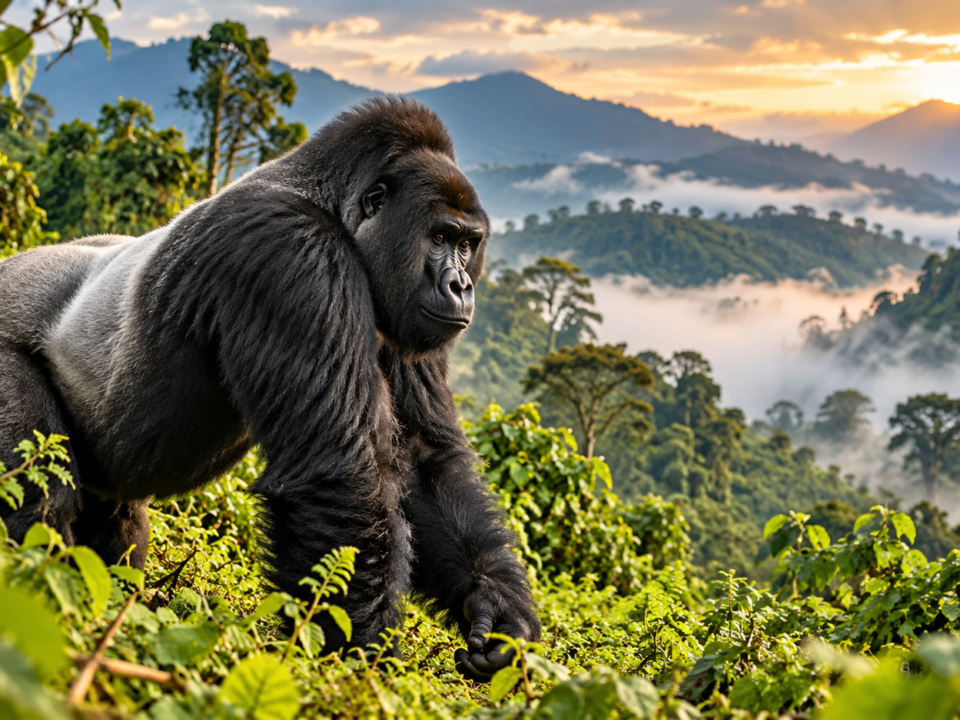
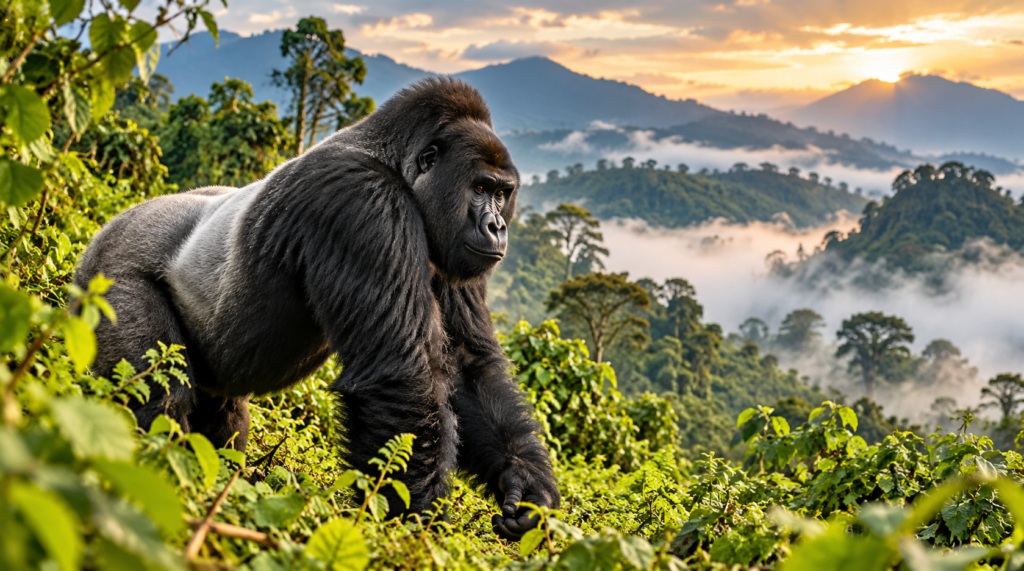
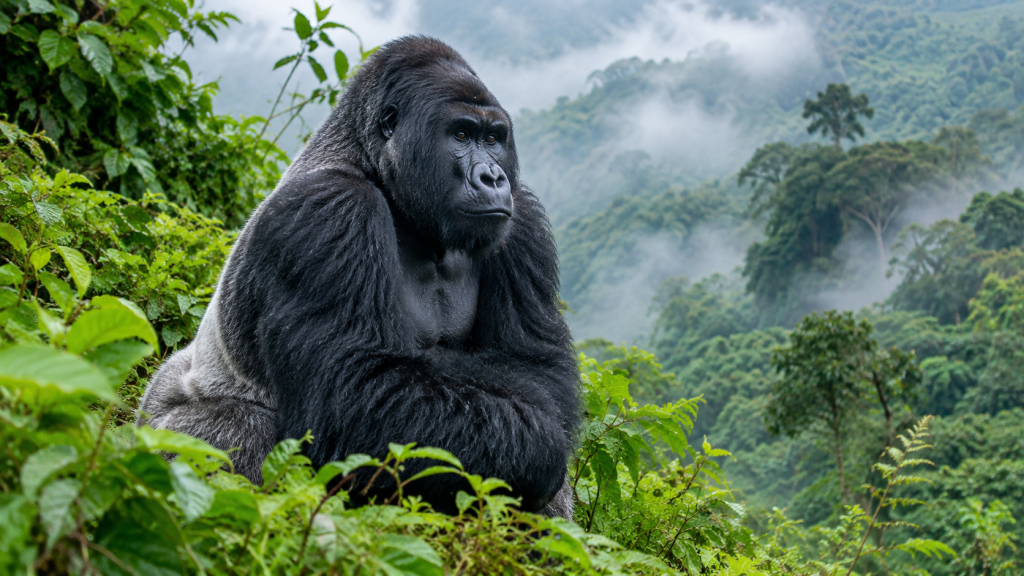
A silverback is a mature male whose back develops distinctive silver-grey
hair. In mountain gorillas, a dominant silverback often leads a group
containing females, infants, juveniles and sometimes other males.
The silverback’s importance goes beyond his impressive size. He helps
coordinate daily travel, feeding and resting. His presence can discourage
rivals, reduce tension between group members and help the family respond
to threats. He also plays an important reproductive role.
However, not every gorilla group depends on just one male. Some groups
contain multiple adult males, and the relationships between those males
can make a major difference when the dominant individual dies.
Leadership and daily movement
Mountain gorillas spend much of their day feeding on leaves, shoots,
stems, pith, fruit when available, and other plant material. They move
through forest habitats as they search for food and suitable places to rest.
A dominant silverback often influences where and when these movements occur.
When he dies, other members may need to adjust their movements and social
relationships. A subordinate male may assume a stronger leadership role,
or the group may become less cohesive. The precise outcome depends on the
individuals present, their ages and relationships, and the circumstances
of the death.
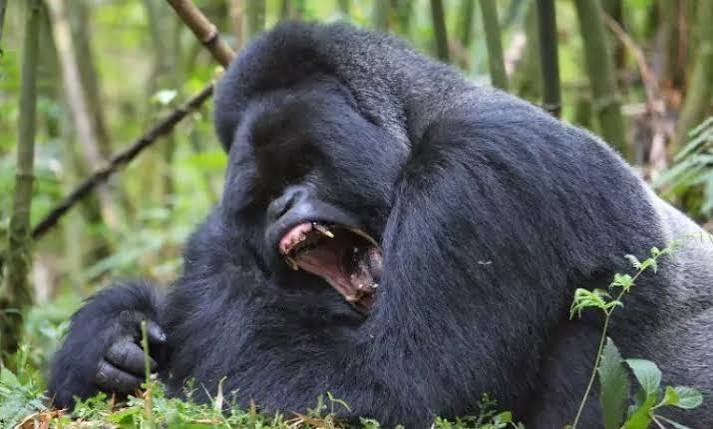
Protection and conflict management
Silverbacks are powerful animals and may confront rival males or defend
members of their group during encounters. Their presence can influence
how the family responds to other gorilla groups and solitary males.
Without the dominant male, the family may become more vulnerable to
social disruption.
Read more about the role of dominant males in our guide to
Uganda gorilla trekking and mountain gorilla experiences.
2. What Happens Immediately After a Silverback Gorilla Dies?
What happens when a silverback gorilla dies during the first hours and
days depends partly on whether his death was sudden or followed a period
of illness or declining health. The group may initially remain near the
body, approach it cautiously, investigate it or behave differently from
their usual routine.
Scientific observations of eastern gorillas have recorded a range of
responses to deceased group members, including investigation, physical
contact, affiliative behaviour and agonistic interactions. The responses
are not identical in every case, and not every gorilla necessarily
approaches the body.
Changes in behaviour
Some group members may appear quieter or spend more time near the body.
Others may approach, touch or inspect it before moving away. Younger
gorillas may be affected by the absence of an adult with whom they
regularly interacted.
Observers should avoid assuming that every change in behaviour has
the same meaning. Curiosity, social bonds, uncertainty and reactions
to an unfamiliar situation may all influence how gorillas behave.
Why researchers monitor the group
After a silverback dies, researchers and conservation teams may need
to understand the circumstances of the death, assess the condition
of other gorillas and observe changes in group composition.
If infectious disease is suspected, the health of the remaining
animals becomes particularly important.
vary, and a single observation cannot establish exactly what every
individual understands or feels about death.
3. Do Gorillas Grieve When a Silverback Dies?
One of the most fascinating aspects of what happens when a silverback
gorilla dies is the possibility that surviving gorillas experience
distress or respond to the loss of a familiar individual. Gorillas
are highly social primates with long-lasting relationships, and
researchers have documented notable behaviours around deceased
members of their species.
In published observations of eastern gorillas, some individuals
spent time close to the bodies of deceased group members. Researchers
also documented physical investigation and other social behaviours.
Individuals with closer social relationships to the deceased sometimes
spent more time near the body.
Does this prove that gorillas mourn like humans?
Not necessarily. Animal behaviour researchers distinguish between
observable actions and interpretations of an animal’s internal
experience. Staying near a body, touching it or becoming less active
may be consistent with a grief-like response, but these observations
cannot prove that gorillas understand death in exactly the same way
humans do.
The most scientifically responsible conclusion is that gorillas
can show meaningful behavioural responses to death. Their social
relationships may shape those responses, although the precise
emotional experience remains difficult to establish.
Why social bonds matter
A silverback may have spent years interacting with females, infants
and juveniles. The loss of a familiar individual can change the
relationships and routines that organise a family’s life. Whether
researchers describe a particular response as grief, distress or
social investigation, the event can have consequences beyond the
death of one animal.
For further reading, see the peer-reviewed research,
Behavioral responses around conspecific corpses in adult eastern gorillas.
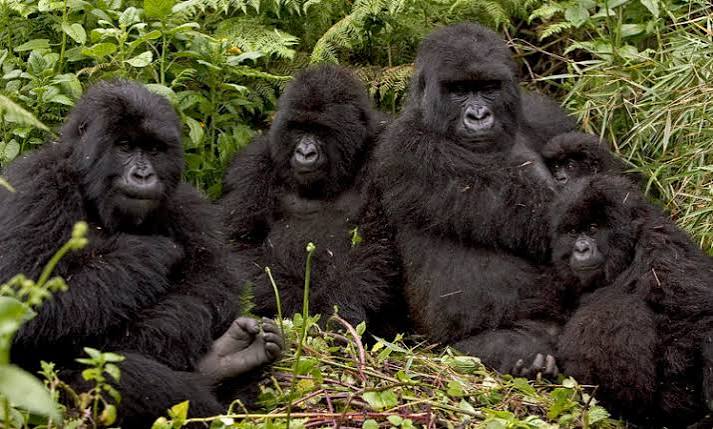
4. Who Becomes the New Leader When a Silverback Dies?
A major part of what happens when a silverback gorilla dies is the
question of leadership. Does another male take over? Does the group
split? Or do the females and their offspring move into another group?
There is no single answer for every mountain gorilla family.
Scenario one: Another adult male is already present
A group containing a mature subordinate silverback or a maturing
blackback may have a potential successor. If he is socially established
and capable of maintaining relationships within the group, he may
become dominant or help keep the group together.
Succession is not simply a matter of the largest male automatically
becoming leader. Age, condition, social relationships, reproductive
status and interactions with other males can influence the outcome.
Scenario two: The group has no clear successor
If the dead silverback was the only adult male, the family may be
more vulnerable to fragmentation. Females may leave to join other
groups or associate with solitary males. A group may also reorganise
as new relationships develop.
Scenario three: Another male joins the group
An outside male may associate with females after the dominant male’s
death. This can offer an opportunity for the group to establish a
new social structure, but it may also create risks, particularly
for infants fathered by the deceased silverback.
| Group situation | Possible outcome |
|---|---|
| An established subordinate male is present | He may assume dominance and help maintain group cohesion. |
| The dominant male was the only adult male | Females may disperse or associate with other males. |
| Several adult males are present | Social relationships may change, but the group may remain together. |
| A new male enters the social group | A new hierarchy may develop, with potential risks to some infants. |
These are possible patterns, not guaranteed outcomes. Each gorilla
family has a unique composition and history.
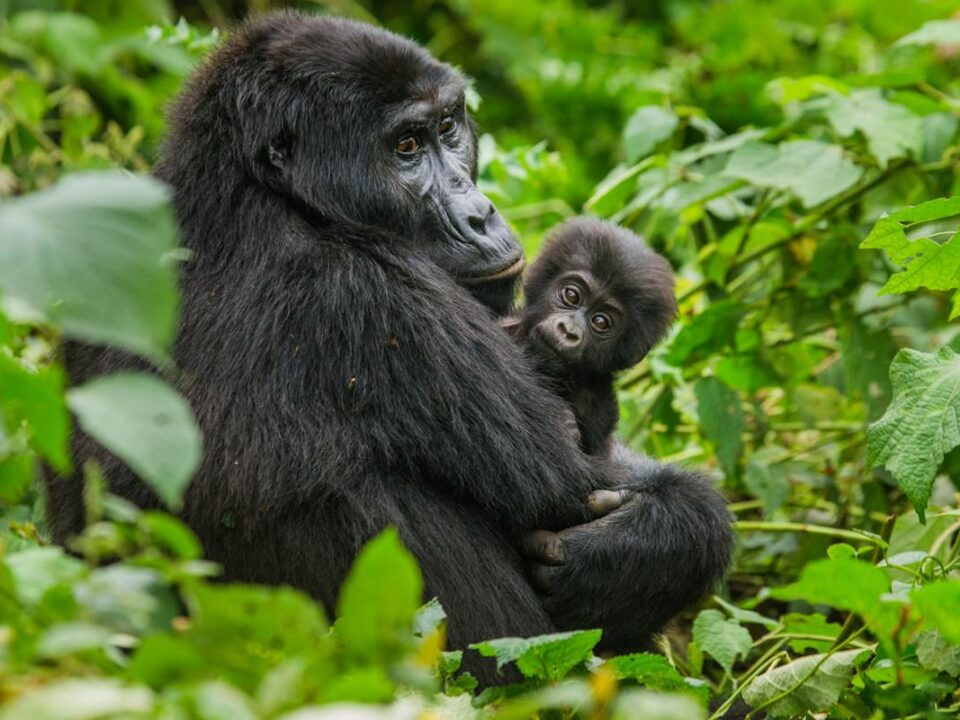
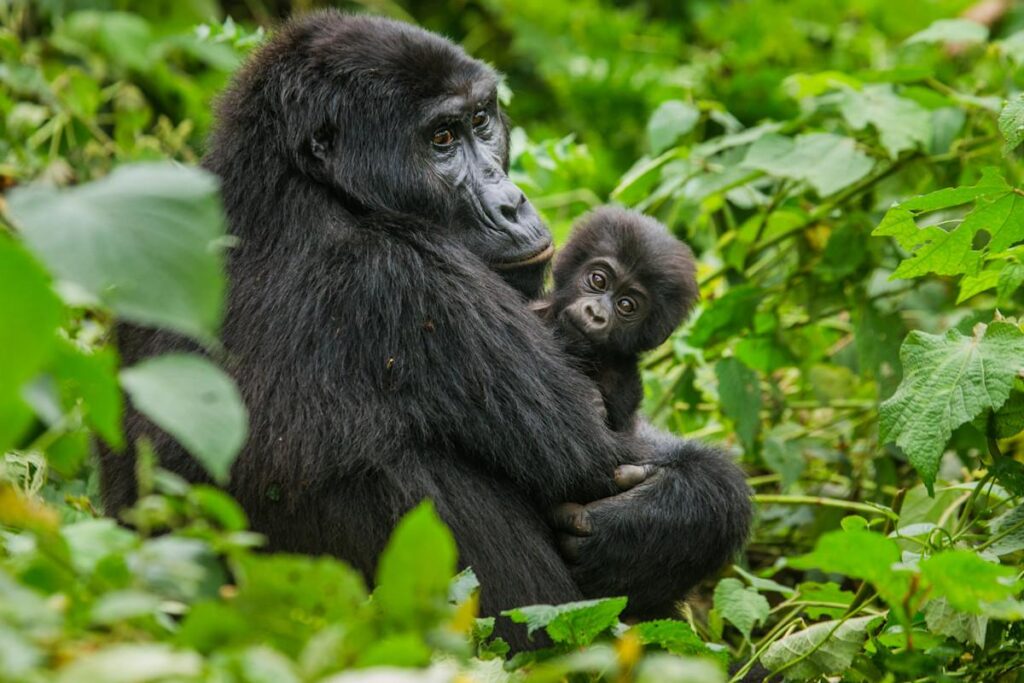
5. What Happens to Baby Gorillas When a Silverback Dies?
Infant survival is one of the most serious conservation concerns when
asking what happens when a silverback gorilla dies. Young gorillas
depend on their mothers for milk, carrying, protection and care.
They also live within a wider social environment shaped by adult
gorillas and the group’s stability.https://pridemarksafaris.com/contacts/
Why infants can be vulnerable
When a dominant silverback dies, the family may experience changes
in leadership or group membership. If a new male takes over or females
move between groups, infant safety can become a concern.
In some gorilla populations and circumstances, a male taking over a
group may kill infants fathered by another male. This behaviour,
known as infanticide, is a documented risk in gorilla social dynamics,
but it does not happen after every silverback death or every change
of leadership.https://pridemarksafaris.com/
The mother’s role
A mother remains central to her infant’s survival. She provides
nourishment and protection, and her decisions about staying or
transferring to another group can affect the infant’s exposure to risk.
Females may seek the company of another male when it offers a safer
social environment.
Do other gorillas care for orphaned infants?
Gorillas can display social tolerance and affiliative behaviour,
and adult males have been observed interacting with young group
members. However, care for an orphan depends on the individual
animals and the circumstances. It would be inaccurate to assume
that every orphaned infant will be adopted or survive without its mother.
This is why the death of an adult gorilla is not only a demographic
event. It can affect the prospects of younger generations and
the future composition of the group.
6. What Happens to Female Gorillas After a Silverback Dies?
Female gorillas may have to navigate a period of uncertainty when
the dominant male dies. Their next steps depend on the social
structure of the group, whether other males are available and
whether remaining together offers benefits.
Females may remain with the existing group
If another male is already established, females may remain with
the group as the social hierarchy changes. Keeping familiar
relationships can reduce disruption, although the transition
may still involve changes in dominance and movement.https://pridemarksafaris.com/blogs/
Females may transfer to another group
Mountain gorilla females can move between groups during their lives.
After the death of a dominant male, a female may transfer to a
different group or associate with a solitary male. A female with
a dependent infant may face different risks and considerations
from a female without one.
What happens to the group’s social structure?
The silverback often helps maintain group cohesion. Once he is
gone, relationships between females and the remaining males may
change. Some groups continue with limited disruption; others
experience a more substantial reorganisation.
These changes illustrate why mountain gorilla families should
not be treated as identical units. The age, sex, health and
relationships of their members can influence how they respond
to the loss of a dominant male.https://pridemarksafaris.com/safari-ideas/
7. Can a Gorilla Family Survive After Its Silverback Dies?
Yes. A gorilla family can survive the death of its silverback.
However, survival and stability are not the same thing. The
group may continue to exist while undergoing significant changes
in membership, leadership and reproduction.
Factors that can help a group remain stable
- A potential successor: another mature male may assume leadership.
- Established social bonds: existing relationships may help group members remain together.
- Suitable habitat: access to forest and food resources remains essential.
- Low human disturbance: reducing external threats gives the remaining gorillas a better chance of stability.
- Effective monitoring: conservation teams can document changes and investigate health concerns.
When is a family more vulnerable?
A group with only one adult male may face greater disruption than
a group with several mature males. If no successor is available,
females may disperse and the former group may cease to function
as a single social unit.
Even when a group remains together, it may take time for a new
social order to emerge. Researchers therefore study not only
whether individuals survive, but also whether the group maintains
a stable composition over time.https://pridemarksafaris.com/blogs/#
gorilla dies depends on the family he leaves behind. Some groups
reorganise successfully, while others disperse or face serious
reproductive and social challenges.
8. Why Do Silverback Gorillas Die?
Understanding what happens when a silverback gorilla dies also
means understanding why death occurs. Silverbacks can die from
natural causes, illness, injuries and human-related threats.
The cause of an individual death cannot be determined from the
fact of death alone; it requires evidence and, where appropriate,
veterinary investigation.
Age-related decline
Like other mammals, gorillas experience physical changes as they
age. An older male may become less mobile or develop health
problems that affect his ability to feed, travel or compete.
Age alone, however, does not establish the cause of death.https://pridemarksafaris.com/places-to-visit/bwindi-impenetrable-forest-national-park/
Disease and infection
Disease is an important concern for mountain gorillas, which
share many biological vulnerabilities with humans. Respiratory
infections and other illnesses can pose risks. Responsible
tourism practices, appropriate visitor distances and strict
hygiene rules help reduce the risk of transmitting infections
to wild gorillas.
Injuries and encounters with other gorillas
Interactions between adult males can involve displays, threats
and physical aggression. Serious injuries may occur in some
encounters, although not every confrontation leads to injury
or death.https://pridemarksafaris.com/why-mountain-gorillas-live-in-families/
Human-related threats
Habitat loss, snares intended for other animals, human disturbance
and other pressures can threaten gorillas. In protected areas,
rangers and conservation organisations work to identify hazards,
remove snares and respond to wildlife emergencies.
How is the cause of death established?
Where feasible and authorised, trained wildlife veterinarians
and conservation specialists may investigate a gorilla’s death.
The investigation can help distinguish among injury, disease
and other possible causes, while informing decisions about
the health and safety of the remaining population.
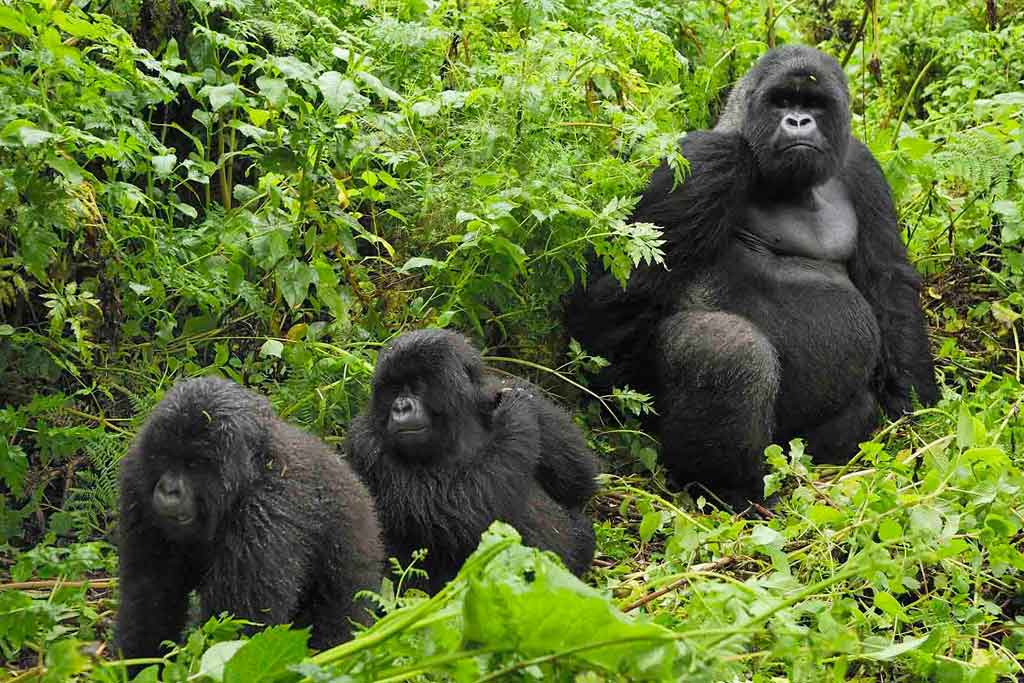
survival of gorilla families and the wider forest ecosystem.
9. How Conservationists Protect Gorilla Families After a Silverback Dies
The question of what happens when a silverback gorilla dies is
important not only for scientists but also for conservationists
working to protect endangered mountain gorillas. A death can
create a need to understand changes in the group, investigate
possible health risks and identify emerging threats.
Monitoring family composition
Regular observations help researchers document which gorillas
remain in a group, whether females transfer, whether a younger
male becomes dominant and how infants fare. Long-term records
make it possible to understand changes that might otherwise
be missed.
Veterinary care and health surveillance
Wildlife veterinary teams may investigate injuries, suspected
illnesses and possible infectious disease threats. Intervention
must be carefully considered because handling wild gorillas
can itself create risks. Veterinary action depends on the
individual situation and established conservation protocols.
Anti-poaching and snare removal
Ranger patrols help identify snares and other hazards within
protected areas. Preventing injury is particularly important
for long-lived animals that contribute to the social and
reproductive future of a population.
Protecting forest habitat
Mountain gorillas need suitable forest habitat for feeding,
nesting and movement. Conservation initiatives in and around
Bwindi Impenetrable National Park and Mgahinga Gorilla National
Park help protect the landscapes on which these animals depend.
Responsible tourism and community partnerships
Responsible gorilla tourism can contribute to conservation
through permit revenue, employment and local economic activity.
Its benefits depend on sound management, wildlife protection
and meaningful participation by communities living near
protected areas.
Visitors also have a responsibility to follow park rules,
maintain the required distance from gorillas, avoid visiting
when ill and follow guide instructions. These measures help
protect the animals and the people who work with them.
Learn more about planning a responsible visit with
PrideMark Safaris and explore the available
guide to the cheapest time to visit Uganda.
10. What Does the Death of a Silverback Mean for Gorilla Trekking in Uganda?
Uganda is one of the world’s best-known destinations for mountain
gorilla trekking. Visitors travel to Bwindi Impenetrable National
Park and Mgahinga Gorilla National Park to observe habituated
gorilla groups in their natural forest environment.
Learning what happens when a silverback gorilla dies helps
visitors understand that gorilla families are living social
communities, not static tourist attractions. Their composition
can change as gorillas are born, mature, transfer between groups
or die.
Can a gorilla family’s status change after a death?
Yes. The loss of a dominant male may lead to changes in the
group’s leadership or membership. Park authorities and
conservation teams manage gorilla tourism according to the
circumstances of habituated groups and the rules in force.
Visitors should confirm the current availability of permits
and assigned groups before travelling.
How can visitors help protect gorillas?
- Book permits through authorised channels and follow the applicable park rules.
- Never touch or feed wild gorillas.
- Maintain the distance instructed by guides and park authorities.
- Follow hygiene requirements and do not trek when ill.
- Choose responsible tourism providers that respect conservation rules.
- Support legitimate conservation and community initiatives.
Plan a mountain gorilla trekking experience
A gorilla trek offers an opportunity to learn about mountain gorilla
behaviour, forest ecology and conservation. PrideMark Safaris can
help you explore Uganda safari options and plan the practical
details of your journey.
Discover Uganda’s Mountain Gorillas with PrideMark Safaris
Explore Uganda’s remarkable rainforests, learn about mountain
gorilla conservation and plan a responsible wildlife adventure
with a safari itinerary suited to your travel needs.
Frequently Asked Questions About What Happens When a Silverback Gorilla Dies
1. What happens when a silverback gorilla dies?
When a silverback gorilla dies, the group may show behavioural changes,
reorganise its leadership, remain together under another adult male,
or fragment as females transfer to other groups. The outcome depends
on the family’s composition and social relationships.
2. Do gorillas know when another gorilla has died?
Gorillas have been observed investigating and interacting with deceased
individuals. These observations demonstrate responses to death, but
they do not conclusively establish that gorillas understand death in
the same way humans do.
3. Do gorillas grieve for a dead silverback?
Researchers have documented behaviours consistent with distress and
grief-like responses in gorillas around deceased group members.
However, an animal’s internal emotional experience cannot be established
with certainty from behaviour alone.
4. Who leads a gorilla family after the silverback dies?
A subordinate adult male or maturing male may assume a dominant role
if one is present and capable of maintaining the group. If no suitable
successor exists, females may transfer to other groups and the original
family may disperse.
5. What happens to baby gorillas when their silverback dies?
Infants usually remain dependent on their mothers for milk, carrying
and protection. Changes in group membership may create additional
risks, including the possibility of infanticide during some leadership
transitions. Outcomes vary among groups.
6. Can a mountain gorilla family survive without a silverback?
Yes. Some groups remain together if another adult male provides
leadership, while others reorganise or disperse. A group’s survival
depends on its membership, relationships and circumstances.
7. Why is a silverback important to mountain gorilla conservation?
A dominant silverback may contribute to social stability, reproduction,
protection and group cohesion. His death can affect the group’s future
composition and reproductive success, making long-term monitoring
important.
8. Where can I see mountain gorillas in Uganda?
Mountain gorilla trekking takes place in Bwindi Impenetrable National
Park and Mgahinga Gorilla National Park. Permits, group assignments
and trekking arrangements should be confirmed before travel.
9. How can tourists help protect mountain gorillas?
Tourists can follow park rules, maintain the required distance,
observe hygiene requirements, avoid trekking when ill and choose
responsible tourism providers. Supporting conservation-minded tourism
can also contribute to local livelihoods.
Conclusion: What Happens When a Silverback Gorilla Dies?
What happens when a silverback gorilla dies is ultimately determined
by the family and social relationships he leaves behind. Some gorilla
groups reorganise around another adult male and continue together.
Others experience changes in leadership, female transfers and the
breakdown of their former social structure.
The effects can extend to mothers, infants and younger gorillas whose
future depends on the stability of the group. Scientific observations
also show that gorillas interact with deceased individuals in ways
that raise important questions about social bonds and responses to loss.
For Uganda’s mountain gorillas, protecting habitat, reducing human
disturbance, monitoring family groups and supporting responsible
tourism all contribute to long-term conservation. Every gorilla is
part of a wider ecological and social story, and understanding that
story helps us appreciate why conservation matters.
At PrideMark Safaris, we encourage visitors to experience Uganda’s
wildlife responsibly and learn about the extraordinary animals that
make the country’s forests so special.
Ready to Explore Uganda?
Speak with PrideMark Safaris about gorilla trekking, wildlife
safaris and a personalised Uganda travel itinerary.
Research and Further Reading
Behavioral responses around conspecific corpses in adult eastern gorillas
— peer-reviewed research describing gorilla responses to deceased individuals.
Behavioral response of captive western lowland gorillas to the death of silverbacks
— research on social behaviour following the death or removal of older males.
Editorial note: This article summarises general patterns from gorilla
research. Outcomes vary by species, population and group composition;
individual events should not be assumed to follow a single pattern.